



Label counterfeiting techniques have become more sophisticated as technology advances and global trade expands. High demand for luxury products creates a compelling motive for counterfeiters to produce and profit from fakes. For many brands, the need for highly effective anti-counterfeiting strategies–particularly in product labels–has never been greater.
Your brand’s credibility and consumer safety are paramount. Angstrom Technologies Inc. specializes in security pigments that outsmart counterfeiters and protect your products and customers. In this article, we’ll explore the three industries most vulnerable to label counterfeiting and share how we empower you to fight back.
Why Counterfeiters Target Product Labels
Counterfeiting is an ancient and not-so-noble art. In 5th-century Byzantium, a counterfeiter known as Alexander the Barber was so successful at counterfeiting that he was hired by the government to put his skills to better use. In today’s world, counterfeiters target everything from currency to luxury consumer goods.
The complexity of global supply chains means ensuring that products are protected from the start. Labels are often the path of least resistance for counterfeiters. Sophisticated fakes can mimic the look and feel of genuine product packaging. This deceives consumers and puts brands at risk for lost revenue, compliance violations, and reputation damage.

1. Cannabis, Wine, Liquor, and Premium Beverage Brands
The global black market for counterfeit alcohol and cannabis is larger and more dangerous than many brand owners realize—and counterfeit labels are one of the easiest entry points for criminals.
Slick graphic design tools and low-cost printing methods allow bad actors to duplicate packaging that looks remarkably authentic. A convincing label on a bottle of wine or a cannabis tincture can deceive consumers, retailers, and even some distributors into believing they’re buying a legitimate product. But what’s inside the packaging is often anything but authentic.
The High Risks of Label Counterfeiting in This Market
Brands have a strong responsibility to protect product integrity and customer well-being in premium consumable products. Regulations covering cannabis and alcohol are globally stringent, so falling prey to counterfeiters can cause a Domino effect of catastrophic outcomes.
Major Revenue Losses
When counterfeiters infiltrate your supply chain or target your popular SKUs, they divert sales directly from your company. Over time, this dilutes market share, undermines pricing strategies, and undercuts years of brand-building.
Health and Safety Hazards
Counterfeit wines and spirits are frequently made with unregulated or industrial-grade alcohol, which can cause serious illness or even death. Cannabis products from illegitimate sources may contain dangerous levels of pesticides, mold, or synthetic additives. These pose direct risks to consumers and can lead to liabilities for authentic brands, whether fair or not.
Brand Reputation Erosion
Consumers expect safety, quality, and consistency. If a bad experience with a counterfeit leads them to question your product’s integrity, they may never return. Negative reviews, social media outrage, and consumer distrust can cause long-term damage far beyond the initial incident.
How Security Pigments Make a Difference
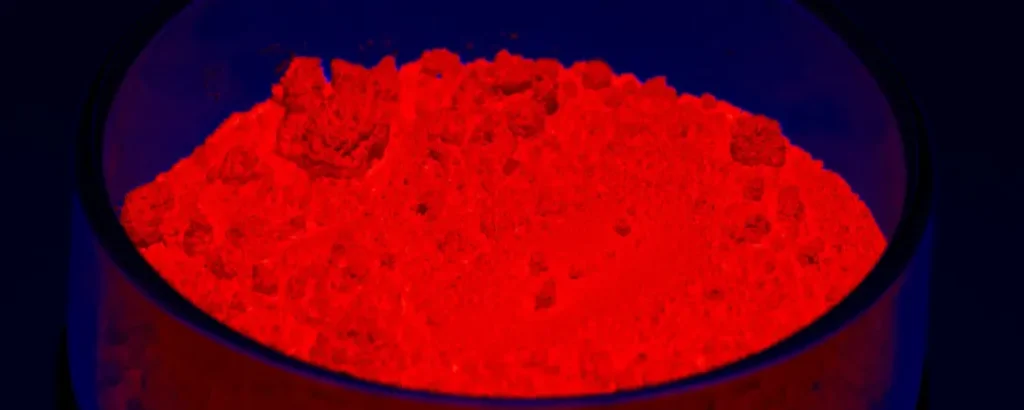
UV fluorescent pigments can be embedded in labels. These pigments are invisible to the naked eye but glow under UV light, making authentication reliable for retailers and inspectors. It accomplishes this without disrupting the label’s design, allowing your product’s aesthetics to stand out while offering a secret layer of defense.

2. Luxury Cosmetics and Skin Care Product Labels
The cosmetics industry faces a surge in counterfeit products. Knockoff beauty products can cause allergic reactions, skin damage, or worse. It can be extremely difficult to recover brand reputation from the health risks of counterfeit cosmetic products.
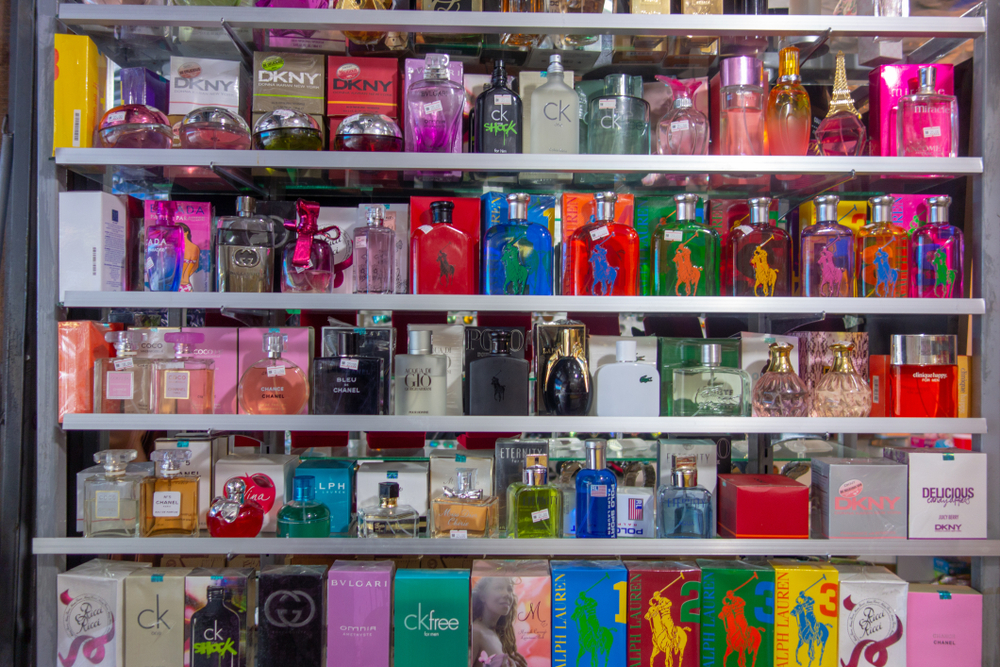
In 2023, the United States Customs and Border Protection seized $57 million in counterfeit perfumes and $8 million in personal care products. Many of these fake products are made with substandard materials or components that can be hazardous to consumers’ health. While e-commerce allows customers to easily view and order cosmetics and other personal care products, it can also be difficult to verify the authenticity of online sellers.
Security Pigments for Visual Appeal and Protection
So, how can you ensure your product labels preserve both product and brand integrity? Optically variable pigments (OVPs) are one option to add both visual appeal and security. These pigments shift color depending on the viewing angle. It’s nearly impossible to replicate these pigments accurately. OVPs add a layer of class and interest to your brand aesthetics while serving double duty as a powerful anti-counterfeiting tool.
3. Label Counterfeiting in Specialty Food and Sauces
Specialty foods, such as gourmet sauces and condiments, are increasingly targeted by counterfeiters. Fake labels can lead to compliance issues and public health concerns. This is especially true when allergens or expiration dates are misrepresented.
Invisible Barcodes or QR Codes for Traceability
Angstrom Technologies Inc. can print invisible barcodes or QR codes under colored ink using security pigments. This means brands, inspectors, and even consumers can track, trace, and authenticate products throughout the supply chain. These covert features are undetectable to counterfeiters but easily verified by brands and regulators.

How Fluorescent Pigments Fight the Fakes
Security pigments offer layered protection against label counterfeiting. Here’s a recap of some of the different pigments and techniques.
- UV fluorescence instantly verifies authenticity under ultraviolet light.
- Optically variable pigments create visually dynamic, hard-to-copy effects.
- Covert markers enable traceability and security without altering label design.
These technologies make it significantly harder for counterfeiters to replicate genuine labels, giving brands a decisive advantage.
Lead the Charge Against Label Counterfeiting With Anstrom Technologies Inc.
Anstrom Technologies Inc. sets the industry standard for advanced pigment-based solutions for label counterfeiting. Our expertise spans decades, and our products are trusted by brand leaders in the most vulnerable sectors. From custom pigment formulations to integration with your existing packaging, we deliver security and peace of mind.
Protect Your Products With Pigment Solutions Purpose-Built for Your Industry
Stay ahead of label counterfeiting challenges with Angstrom Technologies Inc. Connect with us today to discover how our security pigments safeguard your brand’s quality and reputation.